

 Explore Smart Growth 101


If you don’t know where you’re going, you might end up someplace else.

A number of factors, or components, of decision-making and investment are brought together to make the goals of smart growth possible.
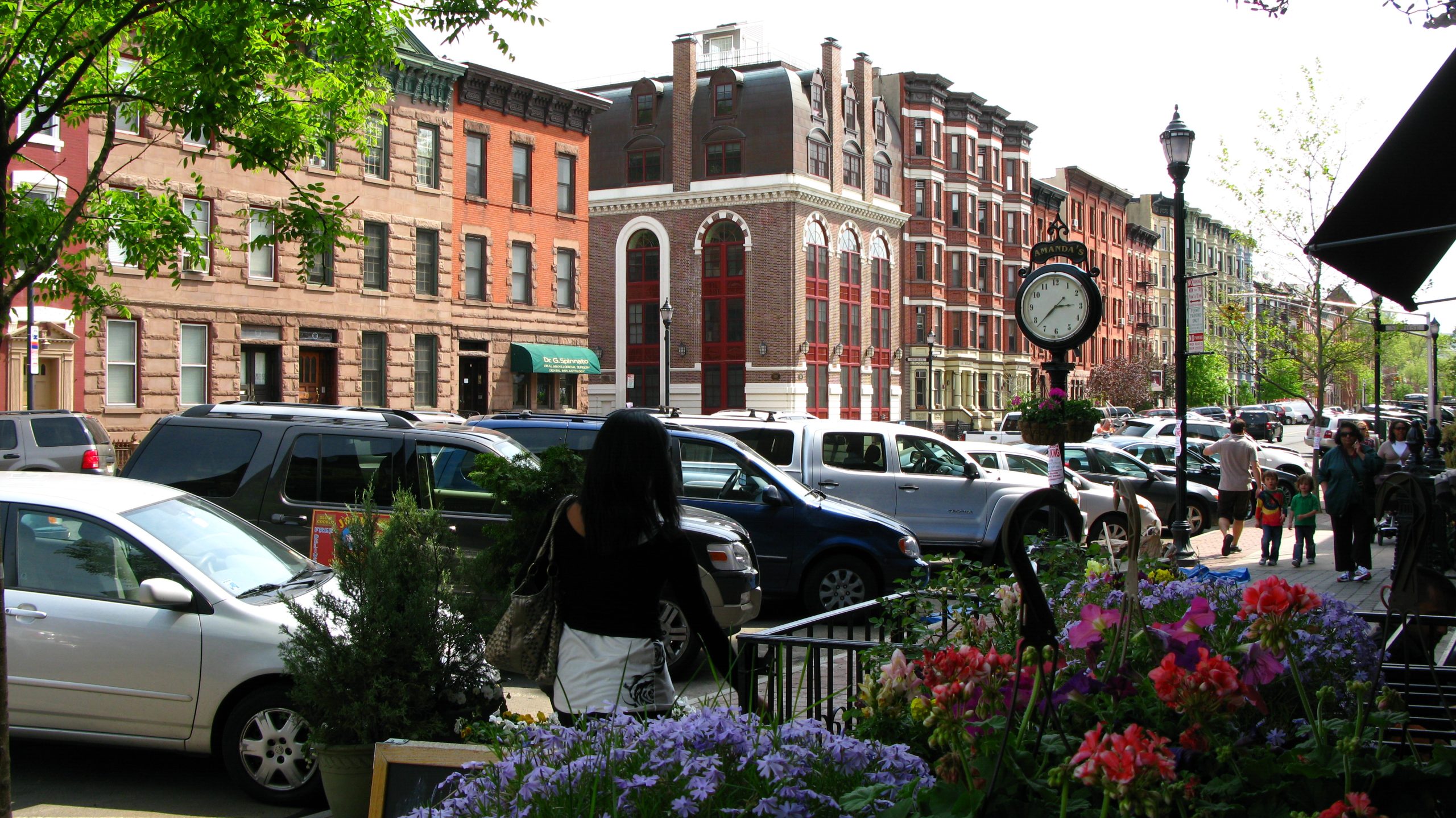
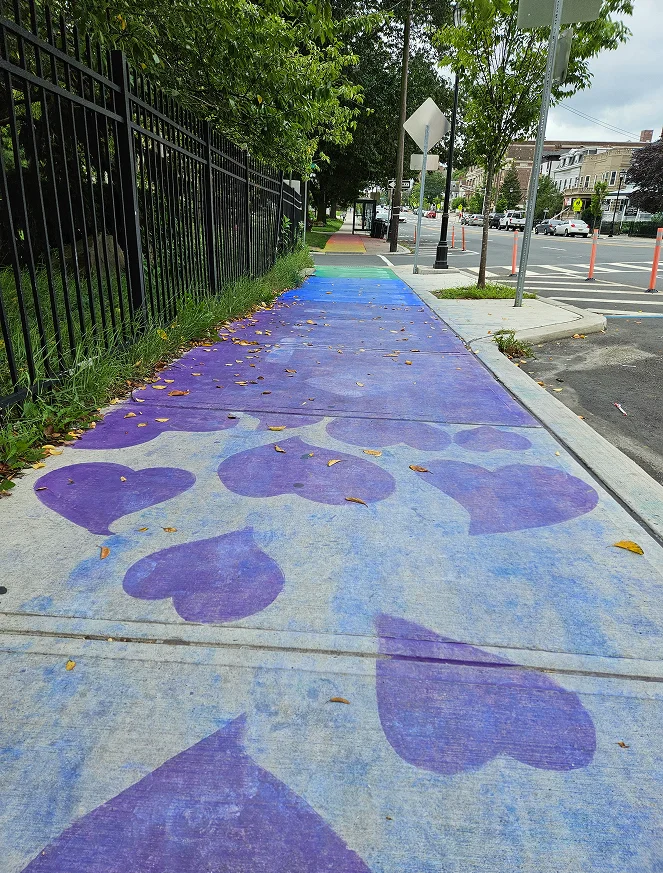
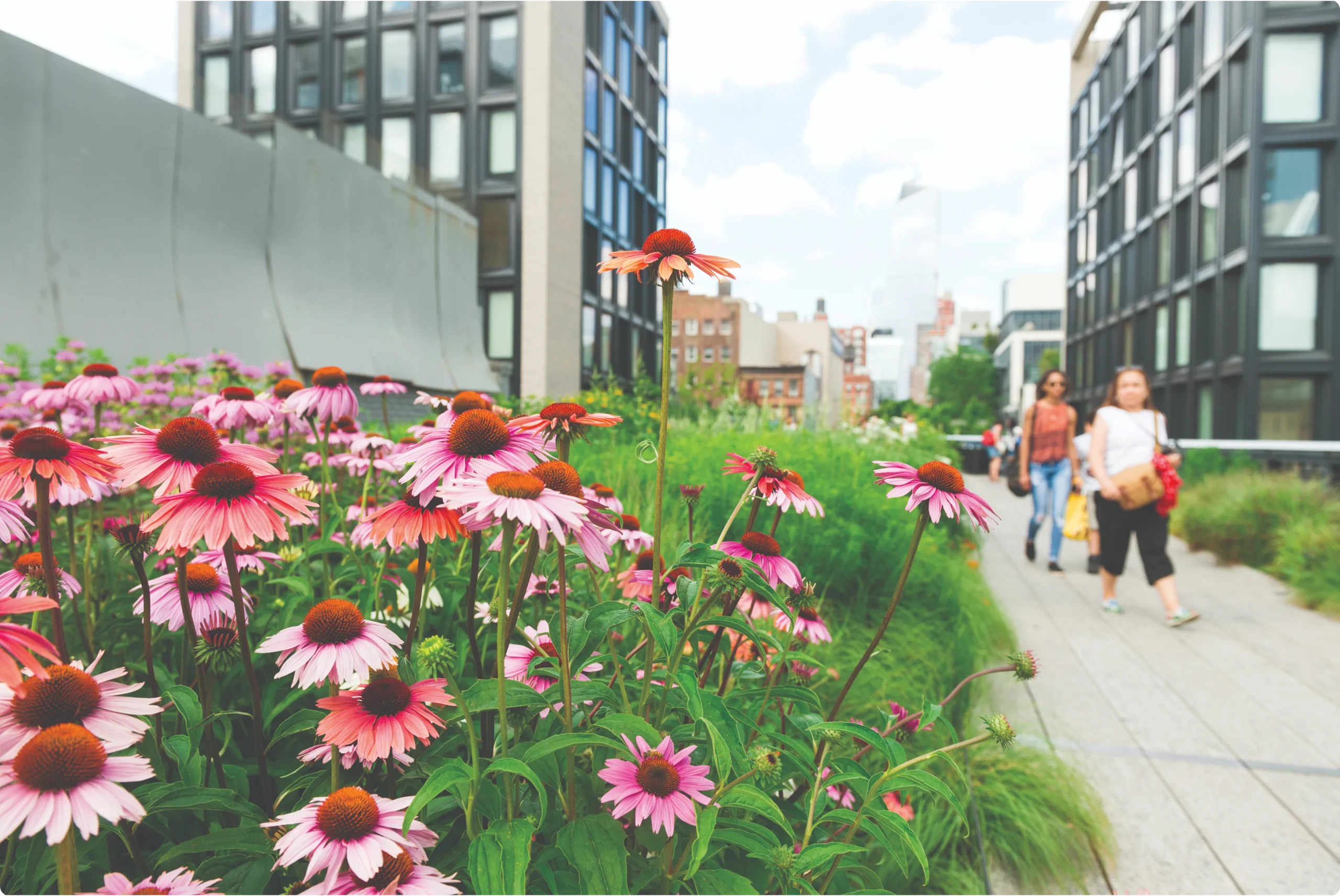
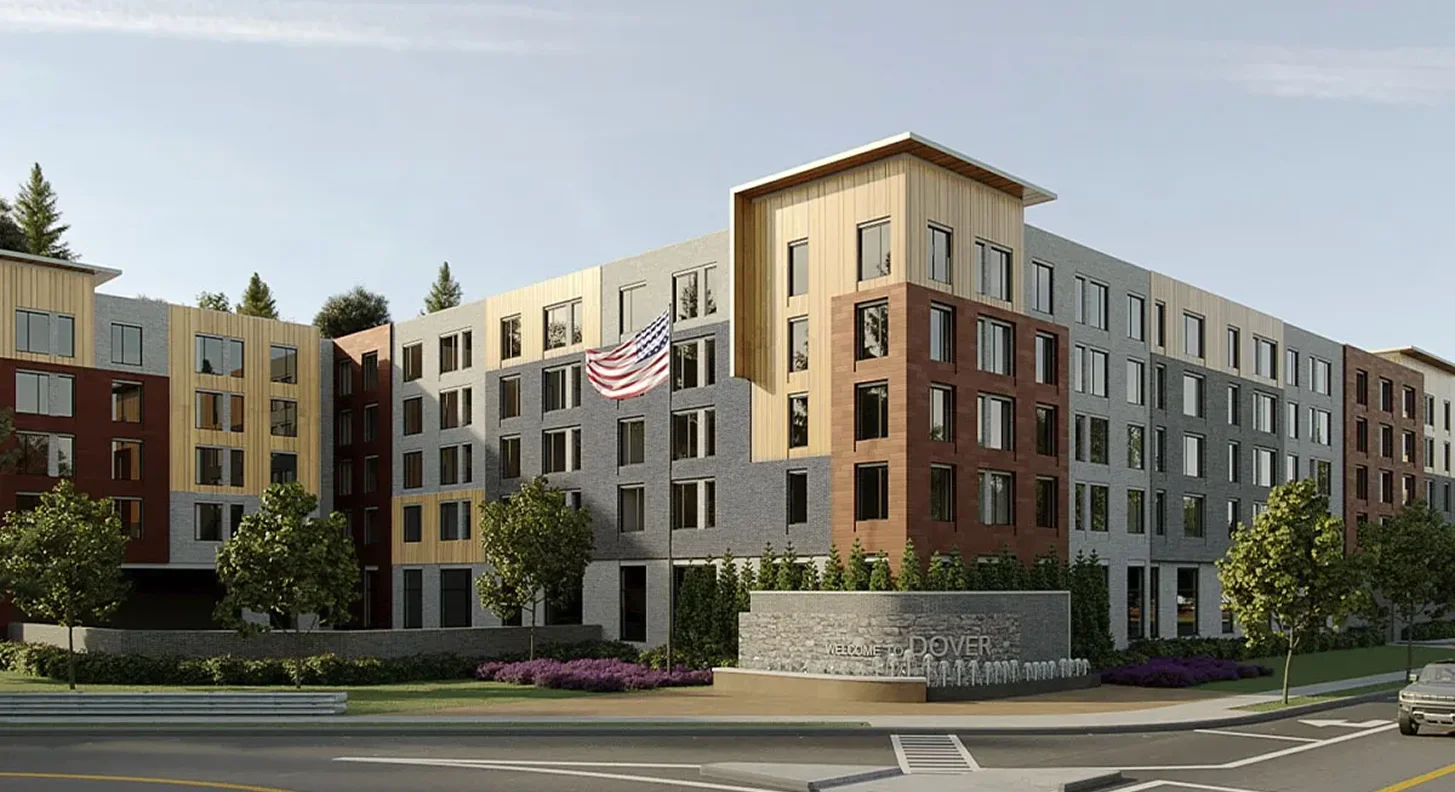
It can be easy to dismiss the importance of design – the design of our buildings, streets, public plazas, and open spaces – as unimportant to the quality of our communities. But quality design is integral to the creation of healthy, sustainable, pleasant places to live.
It is not purely an aesthetic luxury – good design actually encourages different types of behavior.
For example, a person is considerably more likely to walk along a well-lit, tree-lined street with ample sidewalks and shop windows to look into than he/she is to walk down a dark alleyway. And from an aesthetic standpoint, design creates attractive communities that people actively want to live in, as opposed to fleeing to a new development on the sprawling outskirts of town.
Successful community design often involves:
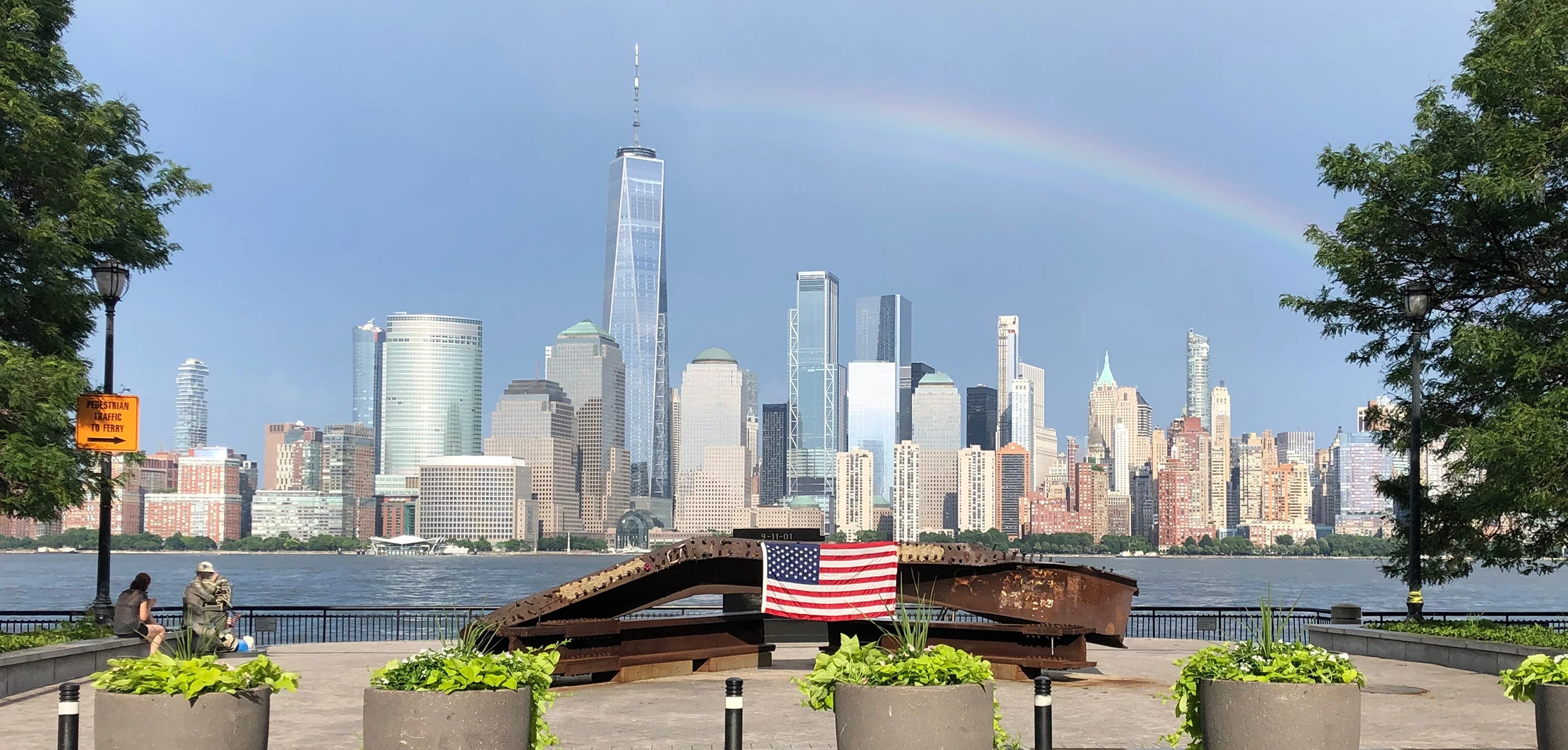
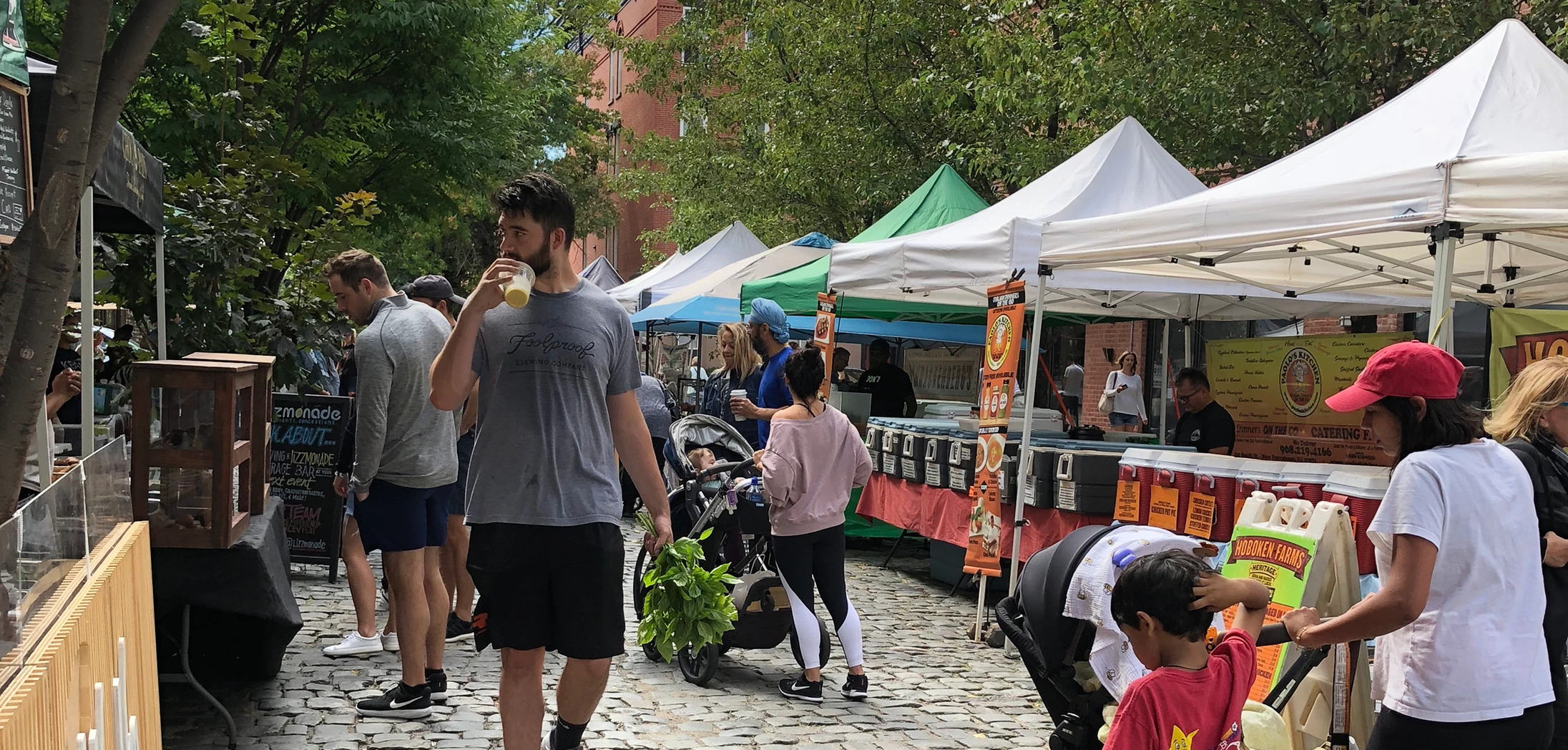
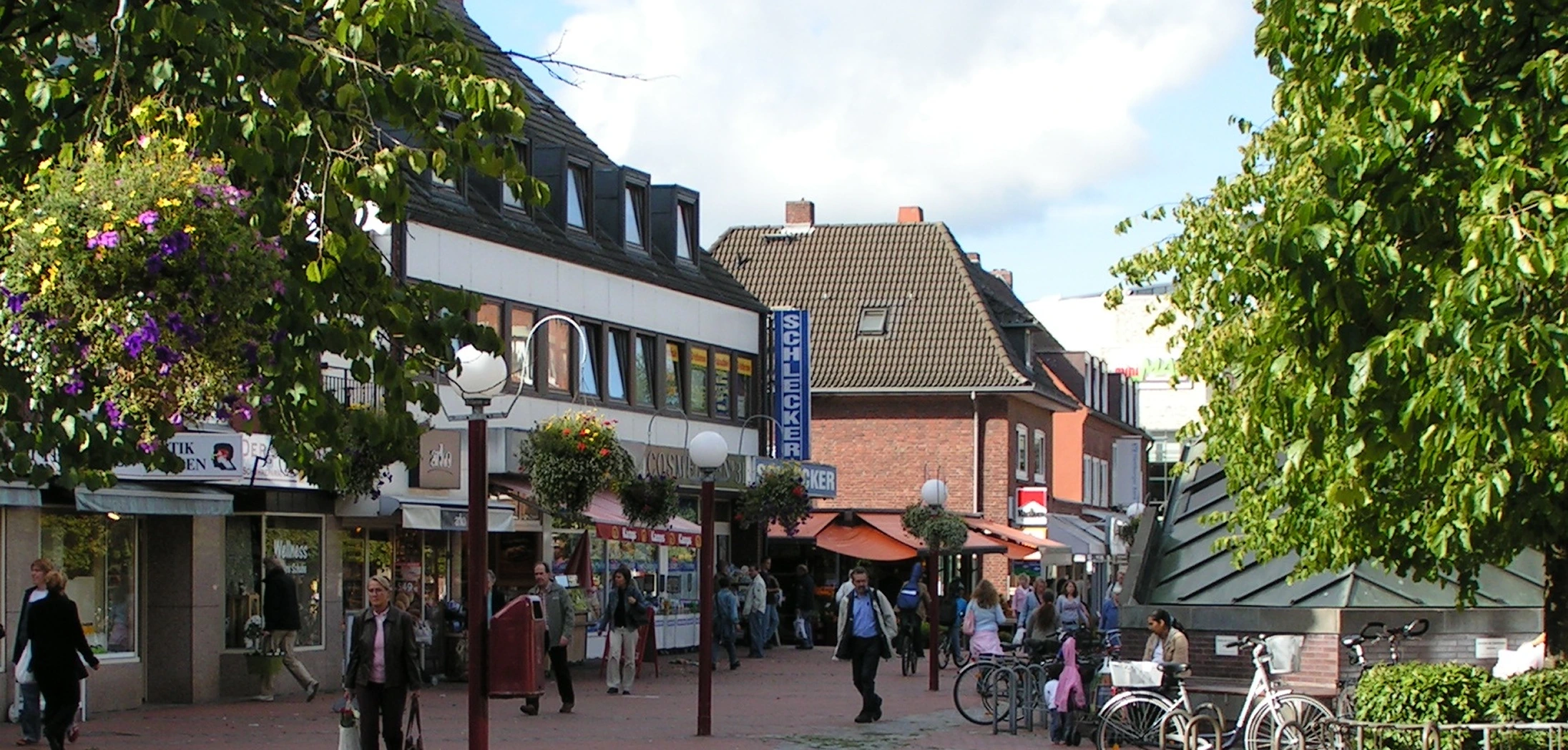

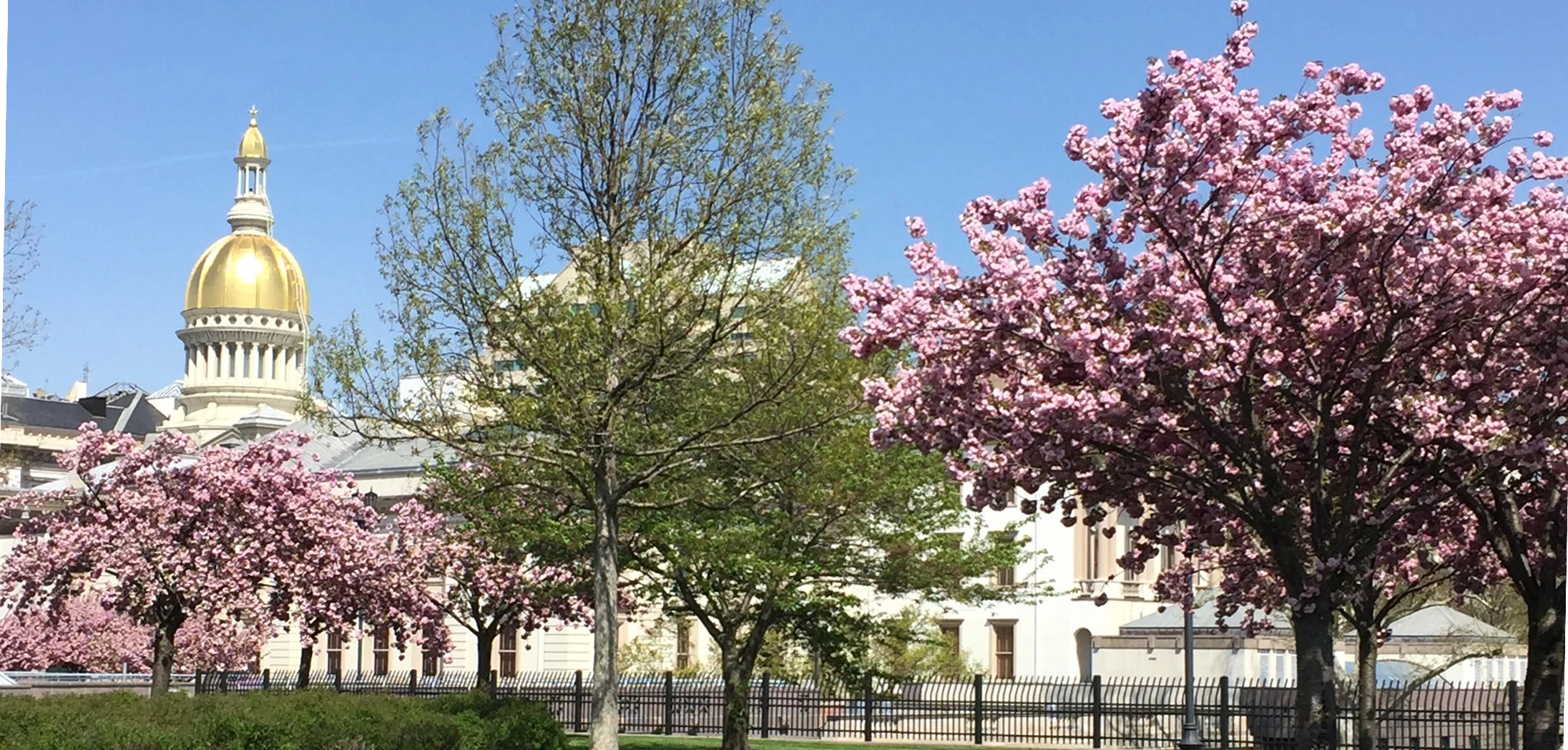
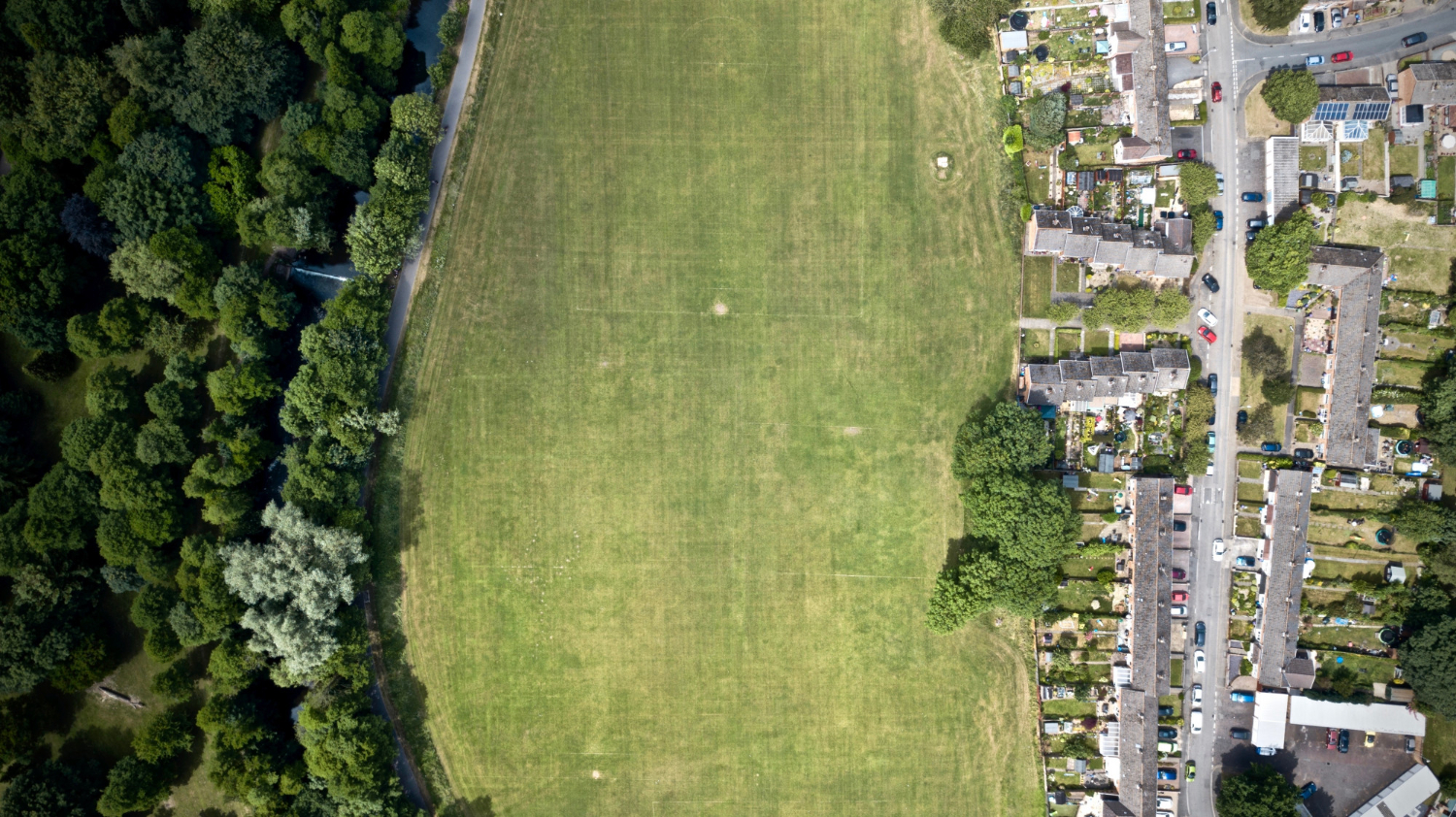
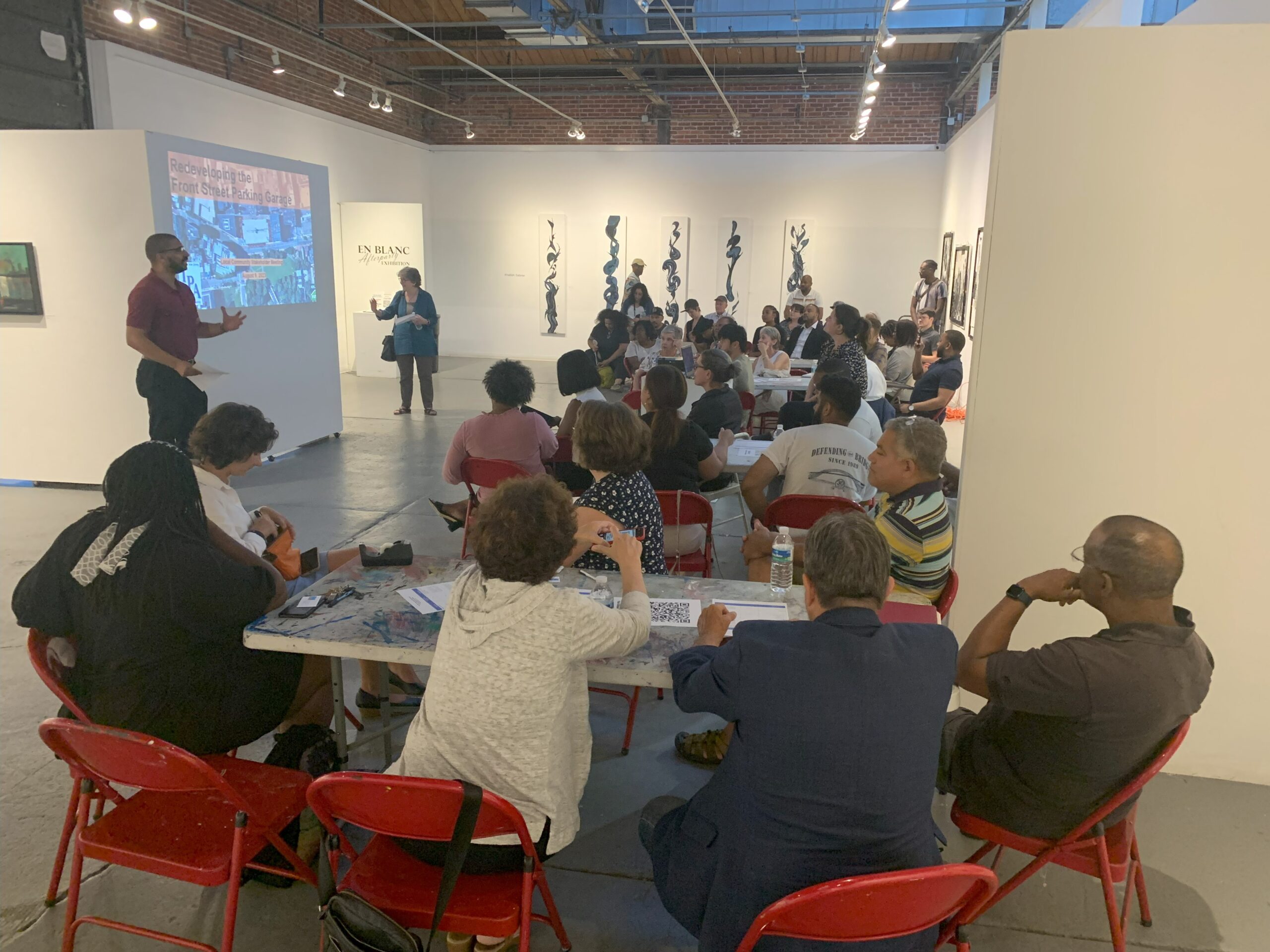
Tools available for communities to reach consensus on the design principles include visual preference surveys, computerized photo-graphics programs, and commercially-available GIS mapping products that can help communities take the long view on how and where to manage growth.
Your generous support is essential to our mission. It fuels the research, advocacy, and on-the-ground assistance we provide to communities, helping to create a more equitable, resilient, and prosperous New Jersey for all.