

 Explore Smart Growth 101

If you don’t know where you’re going, you might end up someplace else.

A number of factors, or components, of decision-making and investment are brought together to make the goals of smart growth possible.
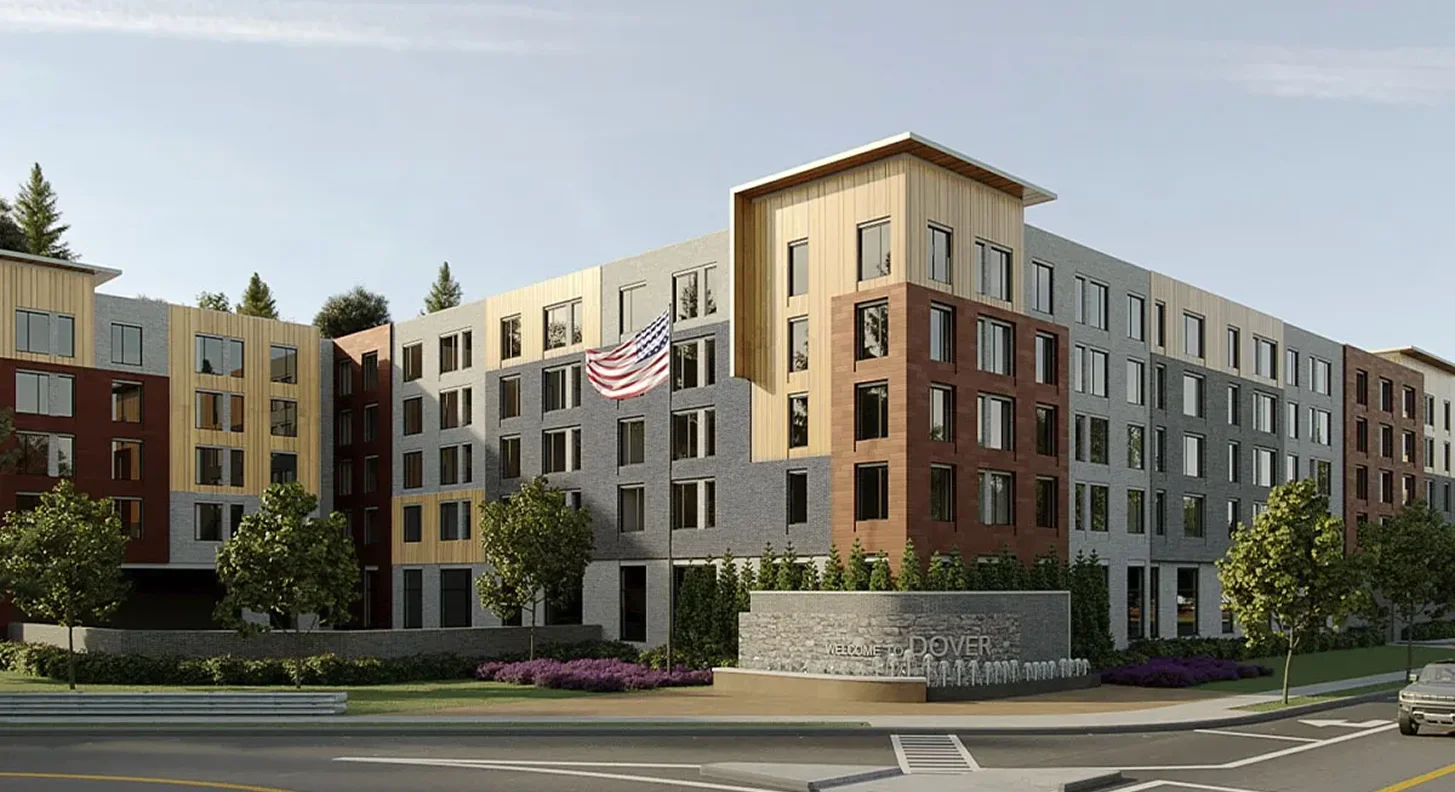

If you don’t know where you’re going, you might end up someplace else.
Visioning helps assess the needs and desires of a community and planning allows those communities to bring those desires to fruition by deliberately formulating their futures.
Visioning is a process that focuses a community on where it wants to be 5, 10, 20, or 30 years down the road. It is a process in which community residents ask themselves questions such as:
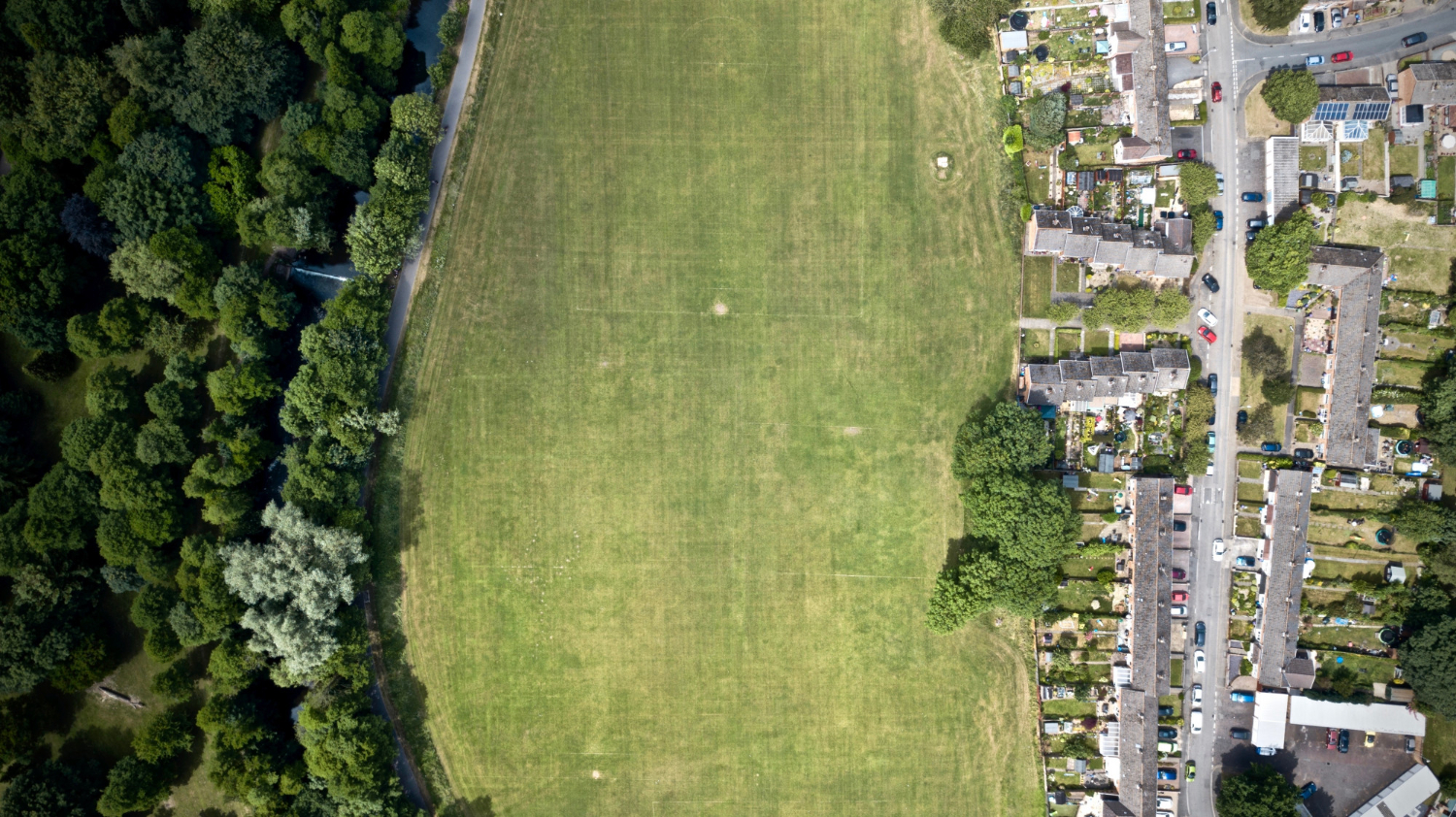
What do I like and dislike about my community?
What would an ideal community look like?
What would make me want to leave my community?
What would make me want to stay?
Active community participation in this process is key. Bringing people together, including business, industry, and education, along with children, planners, civic leaders, environmental groups and community associations, allows the vision to capture the values and interests of a broad constituency. Once a vision is created, the community can work towards realizing its goals in an effective and deliberate way. It is a process in which communities to ask themselves a series of questions that will help direct themselves towards the best planning process:
It is a process in which communities to ask themselves a series of questions that will help direct themselves towards the best planning process:

Taking stock of a community’s existing assets – social, economic, and environmental – helps identify what the community values and what needs improvements. The more community stakeholders who get involved in this process, the better – it will help ensure a complete assessment. A community assessment will produce an identification of a community’s values, an inventory of its natural and historic resources, an evaluation of its existing infrastructure, among other things.
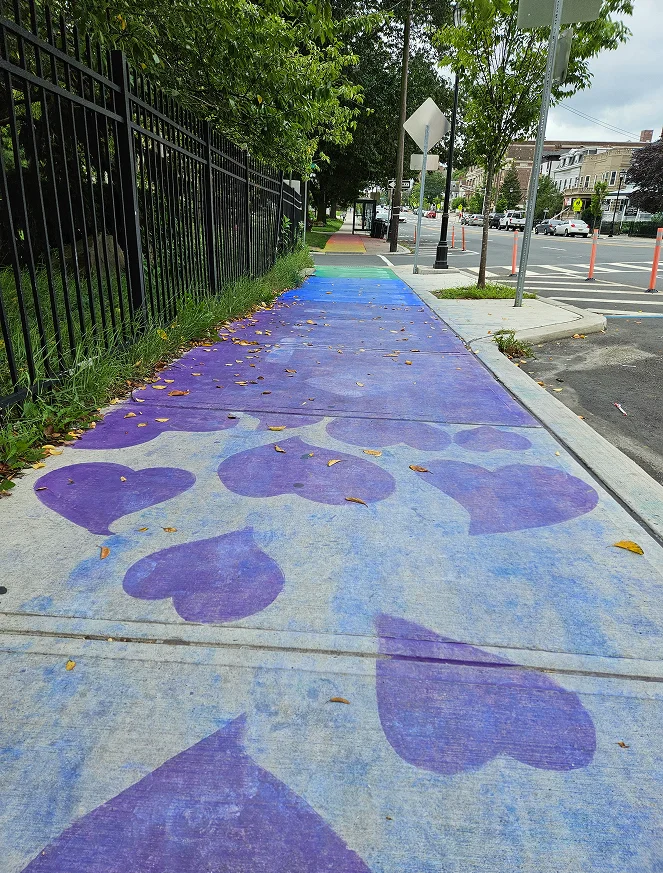
By looking at a community’s current status, its existing trends, and the desires of its residents, the next step is to figure out where it should be going. Answering this question will help a community predict, based on current trends and activities, the direction it is headed, and allows community members to visualize their future if nothing is done to intervene.

This question helps focus communities towards common goals laid out by a vision statement, which describes the community’s desired vision of its future and lays the foundation for an action plan.
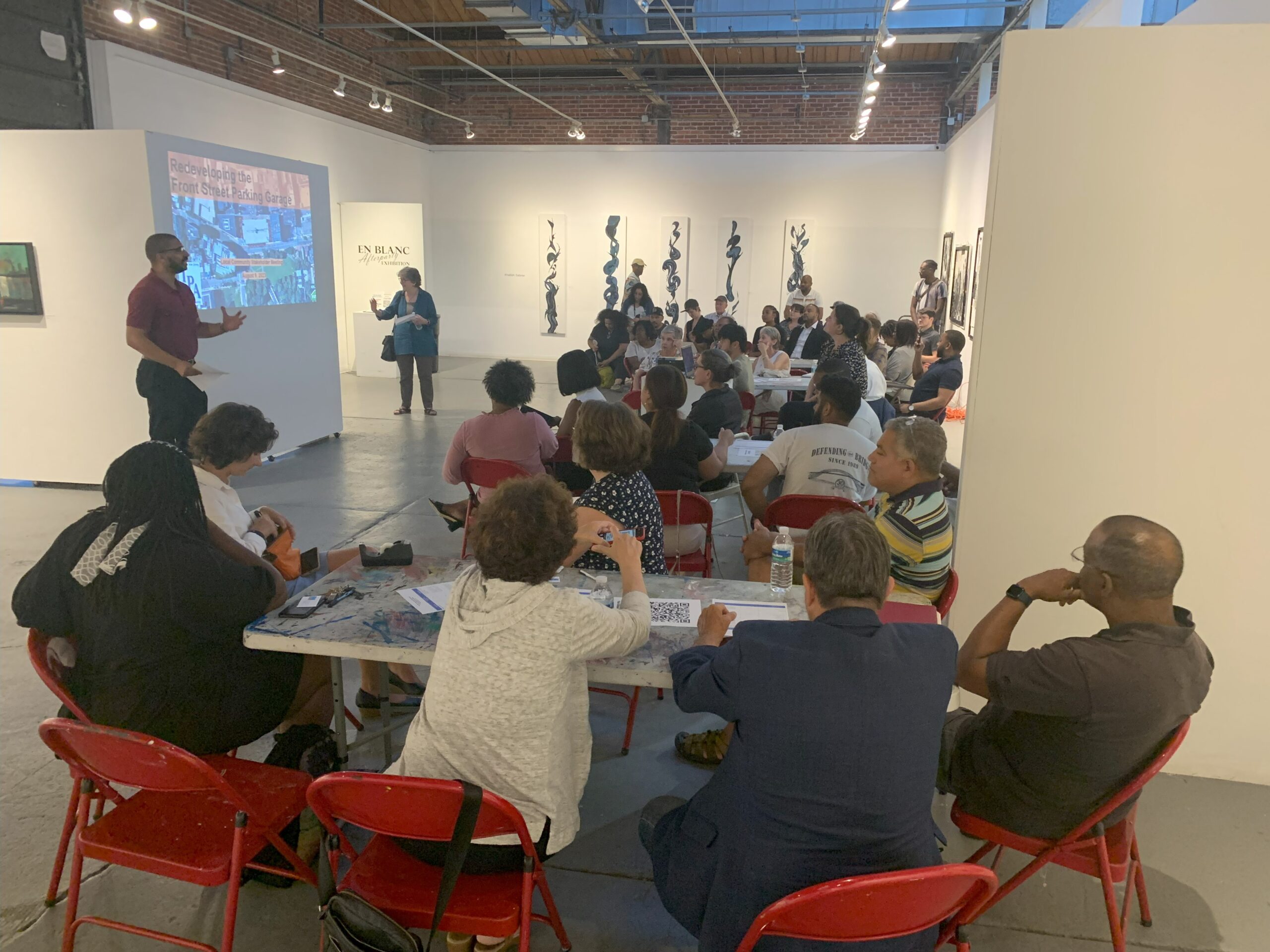
This is the planning portion of the process. Creating a community’s plan of action based on its vision statement can give a community direction for moving from vision to implementation. Achieving your community’s vision requires a variety of tools and techniques that can help you implement your plan. Many of these tools and techniques are explained in detail here on our website.
Your generous support is essential to our mission. It fuels the research, advocacy, and on-the-ground assistance we provide to communities, helping to create a more equitable, resilient, and prosperous New Jersey for all.