

 Browse All Issue Areas
Water Infrastructure Policy


New Jersey’s drinking water and sewer infrastructure needs improvement. The aging of our pipes, increasing deterioration, and the accelerating challenges of more intense rainfall have led to stunted economic development, growing inequity, and environmental, health, and safety concerns.
New Jersey Future frequently engages in the following water issues, often in partnership with members of the Jersey Water Works Collaborative, Lead-Free NJ Collaborative, and Sewage-Free Streets and Rivers Campaign, through research and policy advocacy:
- Affordability: Rising costs, linked to inflation, repairs to aging infrastructure, and regulatory requirements, are making it increasingly difficult for many households to afford water services. NJF advocates for policy changes that will lead to the development of affordability programs.
- Asset Management: Communities maintain and improve drinking water, wastewater, and stormwater infrastructure systems to deliver quality water services that meet community needs. NJF promotes best practices in asset management and encourages economies of scale for small to medium-sized water systems.
- Combined Sewer Overflows: In New Jersey’s older communities, combined sewer systems can release sewage-contaminated floodwaters into streets, waterways, and homes. NJF advocates for programs and policies that reduce the number of overflows and support localities in innovative solutions.
- Funding and Financing: The US Environmental Protection Agency estimates that New Jersey needs more than $30 billion in water infrastructure improvements over the next 20 years. NJF advocates for dedicated state and federal funding and financing for water infrastructure, particularly programs serving overburdened communities.
- Lead in Drinking Water: New Jersey water systems are working to meet the statutory requirement to replace all lead service lines by 2031. NJF advocates for policies and programs that ensure the efficient and cost-effective implementation of the law, while promoting a filter-first approach.
Reliable drinking water and wastewater systems ensure healthy living environments and reduce health risks linked to contaminants, system failures, and flooding. Investing in these areas Reliable drinking water and wastewater systems ensure healthy living environments and reduce health risks linked to contaminants, system failures, and flooding. Investing in these areas creates healthier and safer childhoods, strengthening the foundation for long-term opportunities. Explore our resources to learn more.
07/16/2025
Navigating New Jersey’s REAL Rules
07/15/2025
When Water Holds Back Housing: What to Expect from New Jersey’s New State Fiscal Year 2026 Intended Use Plans
06/19/2025
Clawbacks of Transportation and Green Infrastructure Funding
04/01/2025
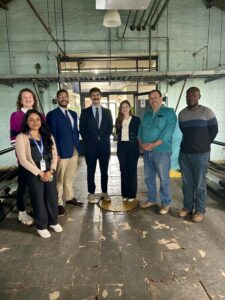
More Than Mailers: Keys to Effective Outreach and Communication for Lead Service Line Replacement (LSLR) in New Jersey Communities
03/14/2025
Breaking the Barrier to Water Infrastructure Funding

02/18/2025
Debt is Not a Bad Word: Funding New Jersey’s Infrastructure through Smart Financing
12/02/2024
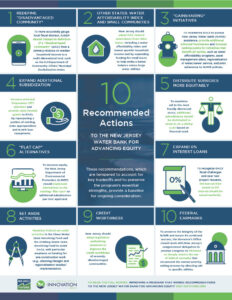
Breaking Down the State Revolving Fund – Recommendations and Changes
08/30/2024
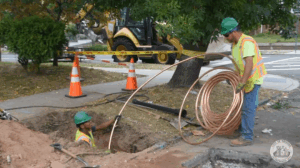
Sustainable and Cost-Efficient: Implementing a Dig-Once Policy in Trenton